
Content
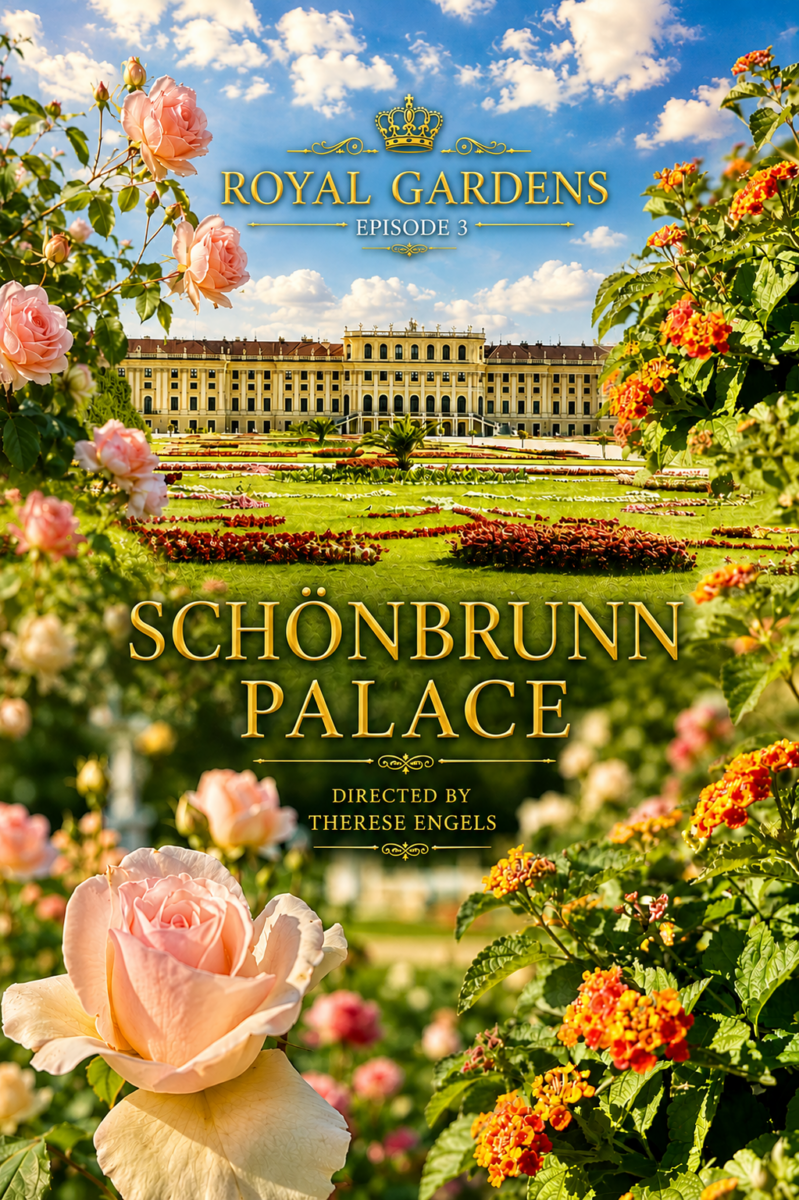
The Gardens of Schönbrunn Palace—once an imperial hunting ground, now a World Heritage Site. Baroque visions, courtly splendor, and botanical diversity define this unique place in Vienna. Behind magnificent avenues and ornate decorations lies a place steeped in history: plant collections, musical performances, and private imperial retreats turned the Gardens of Schönbrunn into a stage for imperial self-expression.
Schönbrunn is located on the western edge of Vienna—where the landscape opens up toward the Vienna Basin. What began as a hunting ground for the Habsburgs became, under Maria Theresa and Franz I Stephan, a symbol of absolutist order: a French-inspired Baroque garden with a central axis, a Grand Parterre, the Gloriette, and the Neptune Fountain. “France was the great model here—Versailles, the gardens of Louis XIV,” explains art historian Anna Mader-Kratky. The film traces the legacy of this display of power and meets the people who keep the complex alive: the team in the outdoor gardens, who cultivate hundreds of thousands of plants each year; gardeners who tend to the 145-hectare park according to historical guidelines; and experts who research and develop Schönbrunn Zoo—the world’s oldest zoological garden—while preserving the historic complex. “The founder, Emperor Franz Stephan, had a special connection to nature. That’s why the menagerie is located along the central visual axis of the palace,” says Director Stephan Hering-Hagenbeck.
Set among the Grand Orangery, the Palm House, and the botanical collections, the film explores a wealth of plants of great diversity: from orchids to succulents more than 500 years old to historic citrus trees, which, as symbolic plants, tell their own stories. “As early as the Renaissance, citrus plants were regarded as a symbol of eternal spring—and thus also of an eternal ruling dynasty,” says art historian Claudia Gröschel of the Austrian Federal Gardens.
Like a leisurely stroll, the tour takes us through the gardens of Schönbrunn Palace and their different eras: along ancient linden tree-lined avenues and past exotic palm trees, into the greenhouses, where orchids are pollinated by hand and carnivorous plants are tended. It opens doors that would otherwise remain closed—such as the interior of the Neptune Fountain, where a 225-meter-long tunnel set the water in motion as far back as the time of Empress Maria Theresa, thus underscoring the wealth of the ruling dynasty. Ancient statues in the park embody the central virtues of the Habsburgs and proclaim their political agenda. Under Emperor Franz Joseph, the imposing Palm House was finally built as a new landmark of glass and steel—a symbol of imperial splendor and botanical curiosity that continues to fascinate to this day.
The film tells not only of power and splendor, but also of anecdotes and personal stories: of the fountain that gives the palace its name, with its precious spring water; of Empress Elisabeth’s hidden garden apartment; and of an “old lady” among the succulents who has survived for centuries. These are details that surprise and cast Schönbrunn in a new light. Between the Gloriette and the Neptune Fountain, the Grand Orangery and the Palm House, Schönbrunn reveals itself as a garden full of stories—majestic, vibrant, and always in motion.
Production data